
Salesforce Ben's AppAssessor review of Distribution Engine - check it out now!
Test it for free for 30 days or get in touch if you’d prefer to chat.
Fancy giving Distribution Engine a try?
Have a play around for free, or get in touch if you’d prefer to chat.
Lead Conversion in Salesforce: Proven Strategies to Improve Results.
Key takeaways:
Lead assignment speed is paramount, as responding within five minutes drastically increases the likelihood of conversion.
Automated routing eliminates human error and ensures high-priority leads are instantly matched with the most qualified available reps.
Enforceable SLAs and automated re-assignment prevent revenue leakage by ensuring no lead sits untouched in a queue.
Data quality and qualification standards must be unified across Sales and Marketing to prevent friction during the hand-off.
Continuous reporting on response times and conversion ratios allows RevOps to identify and fix bottlenecks in real-time.
If your Salesforce org is filled with untouched MQLs, or if your Speed to Lead is measured in hours rather than minutes, you are leaving revenue on the table.
Improving lead conversion in Salesforce requires more than just better sales training; it requires a systemic approach to how data flows, how work is assigned, and how teams are held accountable. This guide outlines actionable lead conversion strategies to optimise your Salesforce lead management and turn your CRM into a conversion engine.
Why you need to think about Lead Conversion.
Lead conversion is the ultimate metric of alignment between Marketing and Sales. A high lead conversion rate indicates that you are targeting the right prospects, routing them to the right people, and engaging them at the right time.
However, in many Salesforce environments, the lead conversion process breaks down due to three common revenue leaks:
- The Black Hole: Leads enter Salesforce but sit in a queue or a general pool without an owner.
- The Lag: A lead is assigned, but the rep takes too long to respond. (Research shows that responding within 5 minutes increases conversion odds by 9x).
- The Mismatch: High-quality leads are routed to junior reps who lack the experience to close them, while senior reps waste time on low-intent prospects.
Solving these challenges isn't just about "working harder." It's about engineering your Salesforce instance to support Lead Conversion Optimization.
Strategy 1: The Foundation – Data Quality & Lead Qualification.
Before you can automate, you must standardise. Automation applied to an inefficient process will only magnify the inefficiency.
Define Your Funnel Definitions
Does everyone in your org agree on what an "MQL" (Marketing Qualified Lead) is? What about an "SQL"?
Action: Create a clear "Data Dictionary" and enforce it in Salesforce.
Salesforce Tip: Use Validation Rules on the Lead object to ensure that a lead cannot be converted or moved to a specific status unless key fields (e.g., Budget, Timeline, Decision Maker) are populated. This helps ensure only qualified leads enter your sales pipeline.
Automate Data Enrichment
Don't ask sales reps to manually research company size or industry. This creates friction and delays outreach.
Action: Integrate enrichment tools (like ZoomInfo or Clay) to auto-populate firmographic data such as demographics, company size, and industry vertical.
Result: Reps have the context they need immediately, improving the quality of their first interaction and boosting conversion rates - transforming potential leads into paying customers faster.
Strategy 2: The Engine – Speed to Lead & Intelligent Assignment.
This is the most critical technical lever for improving conversion. If you are relying on manual lead assignment or native Salesforce Round Robin (which is often limited), you are likely hurting your conversion metrics.
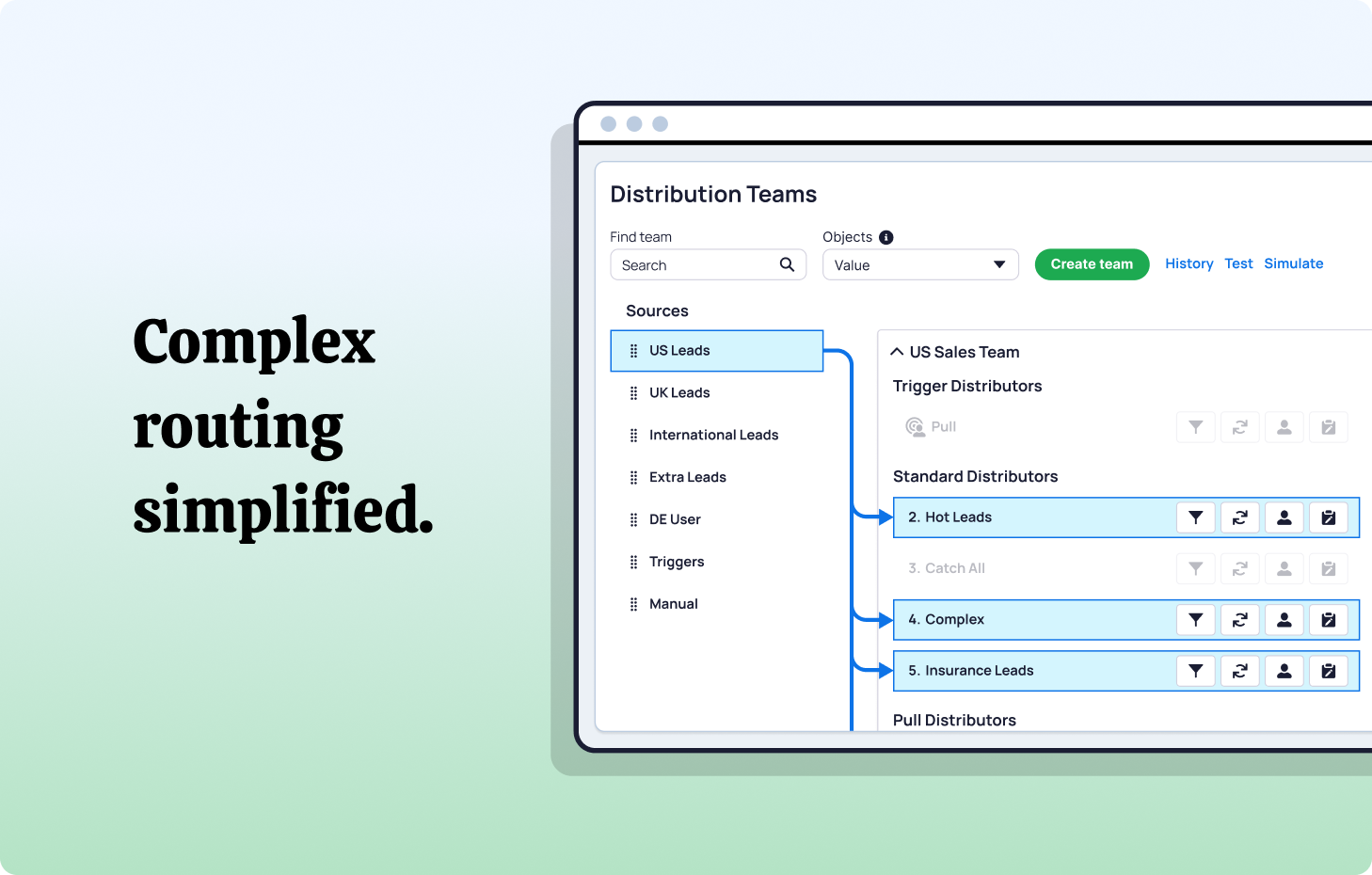
Automate Lead Distribution
Manual assignment is the enemy of speed. New leads should be routed the second they hit Salesforce.
Best Practice: Use an automated routing solution to assign leads based on logic, not guesswork.
Advanced Routing: Don't just round-robin everything. Route high-quality leads to top performers or route based on territory, language, or product expertise. Consider using lead scoring to prioritize potential customers based on their fit and intent signals.
Implement Service Level Agreements (SLAs)
An assigned lead is useless if it isn't worked. RevOps leaders must enforce accountability through structured follow-up protocols.
The Strategy: Define an SLA (e.g., "All leads must be contacted within 15 minutes").
The Automation: If the lead status remains "New" after 15 minutes, the system should automatically re-assign that lead to another available rep who will work it. This real-time reassignment prevents revenue leakage.
NC Squared Insight: This is a core functionality of Distribution Engine. It prevents leads from rotting in the inbox of a rep who is on holiday or simply too busy.
Strategy 3: Alignment – Bridging the Gap Between Ops & Sales.
Technology supports the process, but culture drives it.
The Feedback Loop
Sales reps often complain lead quality is low, while marketing teams claim Sales isn't working the leads.
Solution: Use Salesforce Reason Codes on "Dead" or "Unqualified" leads.
Implementation: Require reps to select a structured reason why a lead didn't convert (e.g., "Competitor Installed," "No Budget," "Ghosted"). Feed this data back to Marketing to refine targeting, improve lead generation efforts, and address customer pain points earlier in the sales funnel. This creates a continuous improvement loop that enhances both marketing campaigns and sales process efficiency.
Align Incentives with Distribution
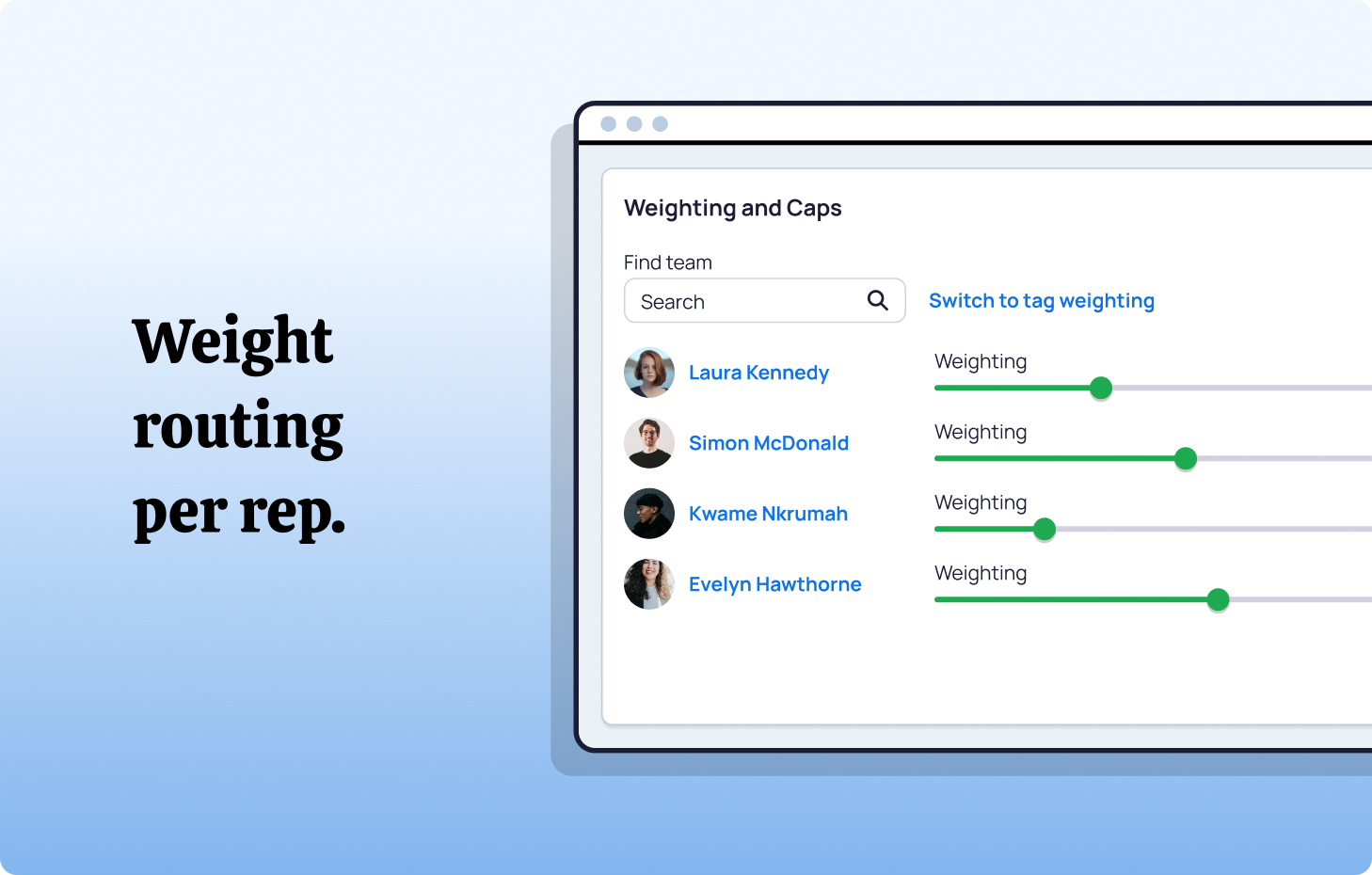
Ensure that your lead distribution logic aligns with your sales compensation and goals. If a rep is at 120% of their quota, should they still get the same volume of inbound leads as a rep at 60%?
Dynamic Weighting: Adjust lead flow based on rep workload and performance. Overwhelmed reps convert poorly. Optimising capacity is just as important as optimising the lead source.
What You Need to Measure.
You cannot improve what you do not measure. Move beyond "Total Number of Leads" and track these efficiency conversion metrics on your Salesforce Dashboards:
{{blog-lead-conversion-kpis="/utility/matrix"}}
Additional Metrics to Consider
Business Growth leaders should also track:
- Quality Leads percentage – What portion of generating leads efforts produce truly qualified opportunities?
- Sales Pipeline velocity – How quickly are converting leads moving through your sales funnel to become new customers?
- Lead Nurturing effectiveness – Are you maintaining engagement with potential leads who aren't ready to buy immediately?
Advanced Tactics for Lead Conversion Optimization.
Think about Social Proof and Trust-Building
While technical automation handles routing, your sales team needs strong materials that build trust quickly:
- Case Studies: Share relevant success stories that match the prospect's industry or pain points
- Testimonials: Use customer quotes in follow-up email marketing sequences
- Referrals: Implement a referral program that turns paying customers into your lead generation engine
Your Lead Capture and Outreach Strategy
- Use templates for consistent, high-quality first contact that addresses the target audience's needs
- Consider A/B testing different messaging approaches to improve conversion rates
- Ensure call-to-action (CTA) elements in your email marketing are clear and compelling
Integrate with Your Marketing Automation Stack
Whether you're using HubSpot, Marketo, or Pardot alongside Salesforce, ensure your CRM and marketing automation systems work together seamlessly to streamline the lead conversion process. This integration helps:
- Track the complete journey from lead generation to purchase decision
- Coordinate marketing campaigns with sales outreach
- Ensure consistent lead nurturing across touchpoints
When to Involve Salesforce Specialists like NC Squared.
While native Salesforce features (like Assignment Rules and Flows) can handle basic volume, scaling organizations often hit a "complexity ceiling."
You should consider partnering with experts or implementing specialised tools like NC Squared's Distribution Engine when:
- Volume Spikes: You have high lead volume and manual triage is creating a bottleneck.
- Complex Logic: You need to route leads based on complex criteria (e.g., "Match to existing Account," then "Check Rep Availability," then "Round Robin").
- SLA Enforcement: You need automated re-assignment and "out of office" management to ensure zero leakage.
- Global Teams: You are managing leads across multiple time zones and need to route based on "Shift Availability."
NC Squared specialises in solving the "Last Mile" of lead management - getting the right lead, to the right rep, at the right time.
Improving Lead Conversion is a Journey.
Optimising lead conversion in Salesforce is not a one-time project; it is an operational mindset. By combining clean data, intelligent automation, and rigorous measurement, RevOps and Sales Leaders can build a machine that maximizes the value of every single opportunity - converting leads into paying customers at scale.
Ready to stop the revenue leaks?
If you are struggling with slow response times or uneven lead distribution, it might be time to look under the hood of your Salesforce org.
Explore how Distribution Engine by NC Squared can automate your lead routing and ensure no lead is ever left behind.
Fancy giving Distribution Engine a try?
Have a play around for free, or get in touch if you’d prefer to chat.


Take us for a spin with a 30 day Free Trial
Have a play around for free, or get in touch if you’d prefer to chat.
%20dark.avif)